Why does my golf ball go left?
For a right-handed golfer, a ball that goes left either starts left because the clubface points left at impact, or curves left because the face is closed to the swing path. A pull that flies straight comes from the path; a hook comes from the face.
Match your ball flight
Starts straight, curves left (hook)
The face is closed to the path at impact. Grip and an overactive release are the usual causes.
Starts right, curves left (push draw that turns into a hook)
The path is in-to-out and the face is closed to that path. A little is a draw; too much is a hook.
Starts left, curves further left (pull hook)
The face is closed at impact and closed to the path. A strong grip or hands that flip at impact are the usual causes.
Starts left and stays left (pull)
Face and path both point left. The path is out-to-in, usually from the shoulders starting the downswing.
How to read it
Note where the ball starts and which way it curves. A straight pull points to an out-to-in path. A hook points to a face closed to the path, usually from the grip or the hands flipping at impact. Left-handed golfers mirror everything here.
Drills to start with
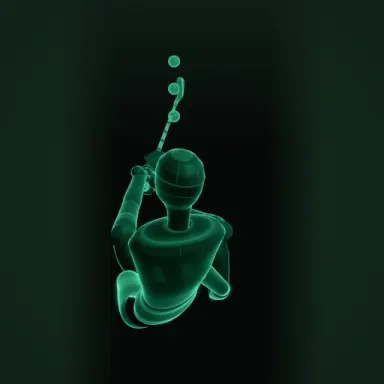
Three-Ball Gate
Strike only the middle of three balls to center your strike; start small
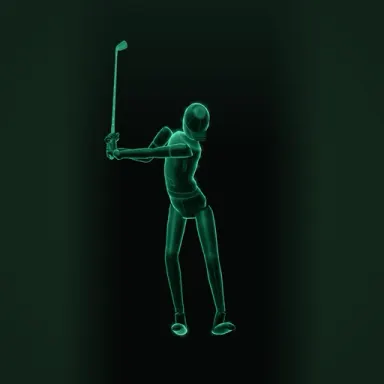
Neutral Grip Build
Build the grip in the fingers so the club can hinge and the face can square
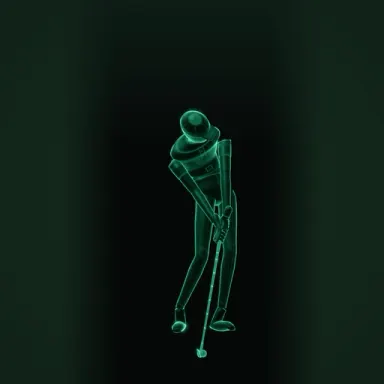
Lead-Leg Squat Start
Start down by sinking into the lead leg, then push up, to feel the ground help the swing
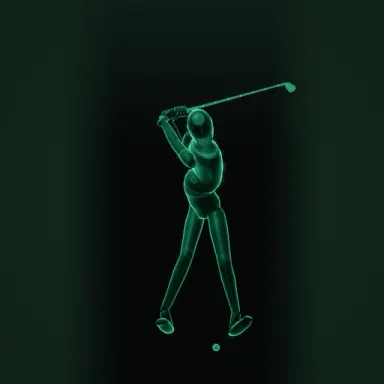
Pause at the Top
A one-count pause at the top so the ground, not the arms, starts the downswing
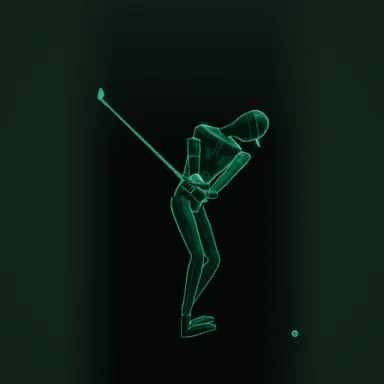
Pump Drill
Rehearse the first move down twice, then swing, so the club drops in before you turn
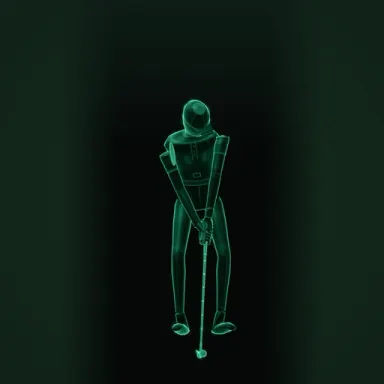
Headcover Under Trail Arm
A headcover under the trail armpit so the body turn, not a flying elbow, moves the club
Questions golfers ask
What is the difference between a pull and a hook?
A pull starts left and flies straight. A hook curves left in the air. A pull hook starts left and curves further left.
Can a strong grip cause a hook?
Yes. A grip turned too far away from the target lets the face close quickly through impact. A more neutral grip is often the first fix.
Why do I hook it when I try to swing harder?
Swinging harder often makes the hands take over at impact, which closes the face. Keeping the body turning through the ball helps the face stay matched to the path.